Help people live longer and live better.
The Global Health and Wellbeing Fund sends your donation to the expert grantmakers our research says can do the most good with additional funding. They fund the most cost-effective ways we know of to save and improve lives today.
Considering a major gift? Talk to our team →
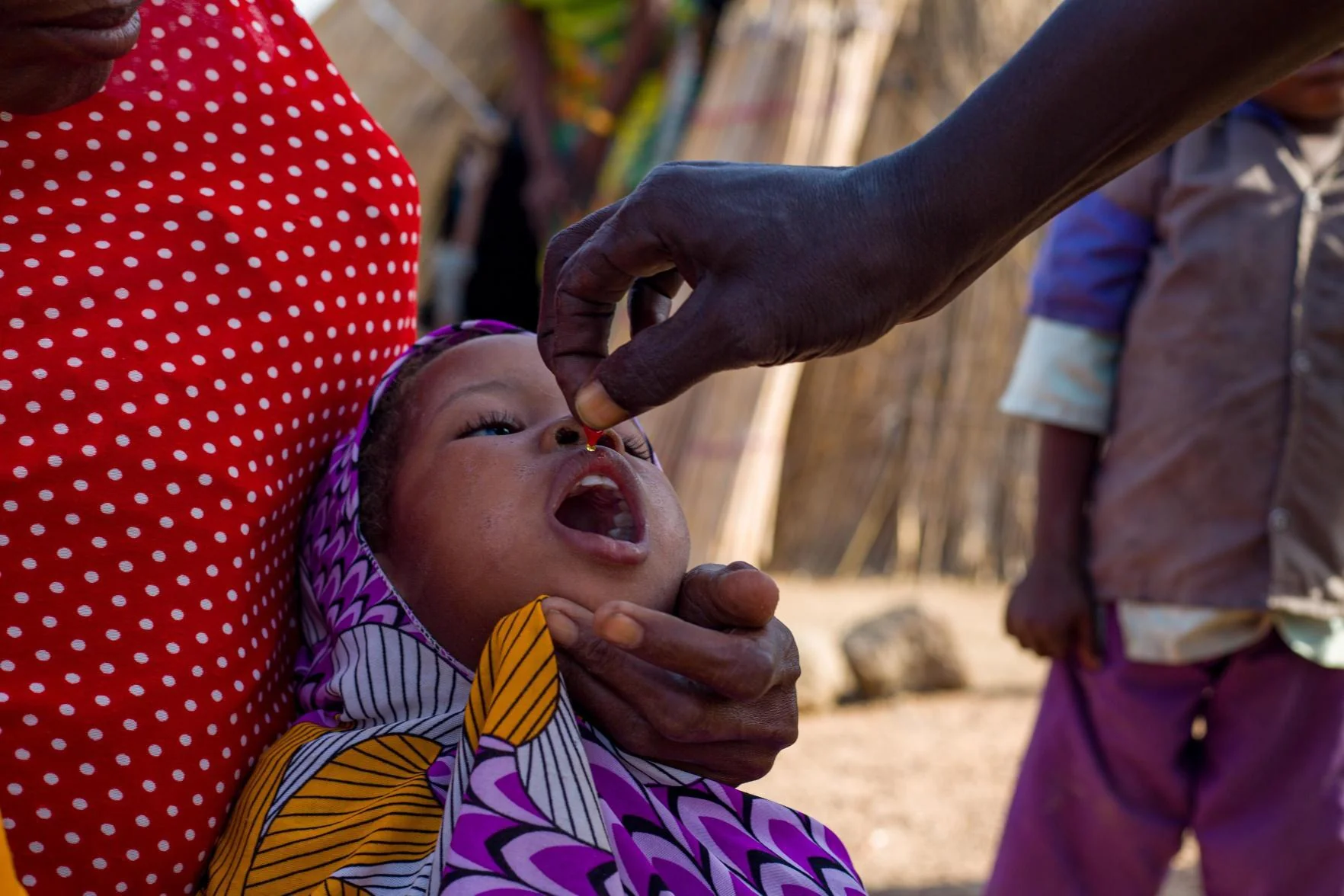
Many people still don’t get the chance to live a long, healthy, and fulfilling life.
Around 5 million children die before their fifth birthday every year, most from birth and newborn complications, malaria, diarrhoea, and pneumonia.1 More than 800 million people live in extreme poverty, on less than $3 a day.2 And many more live with depression and other conditions that reduce their wellbeing.3 Where you’re born still shapes how long you live, and how well.
This fund supports work that helps people live longer and live better, from bed nets and vitamin A supplements to research into programmes that help families increase their income. Many of the best-evidenced options are remarkably cheap4 but remain underfunded.5
Our research team finds and evaluates the best impact-focused grantmakers to direct your money to where it can do the most good.6
Grants our donors have helped fund
Your donations go to an impact-focused grantmaker we’ve evaluated, whose researchers decide which programmes to fund. We currently rely on the grantmaker GiveWell. Here are some of the grants they’ve made.7
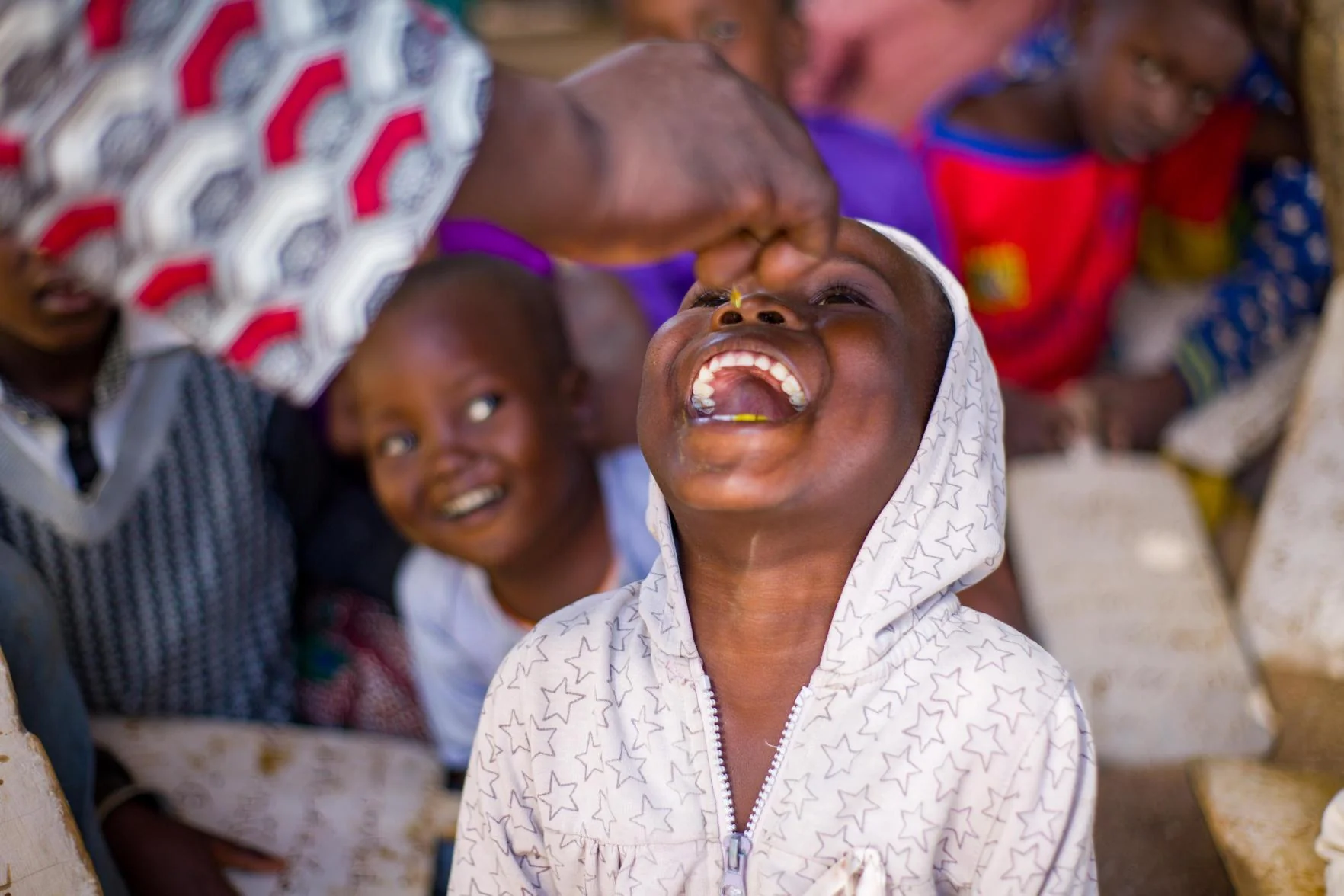 Photo: Helen Keller Intl
Vitamin A for young children
Two doses of vitamin A a year help protect children under five from infections that can kill them. This grant supports government vitamin A campaigns in six countries and three Nigerian states.9

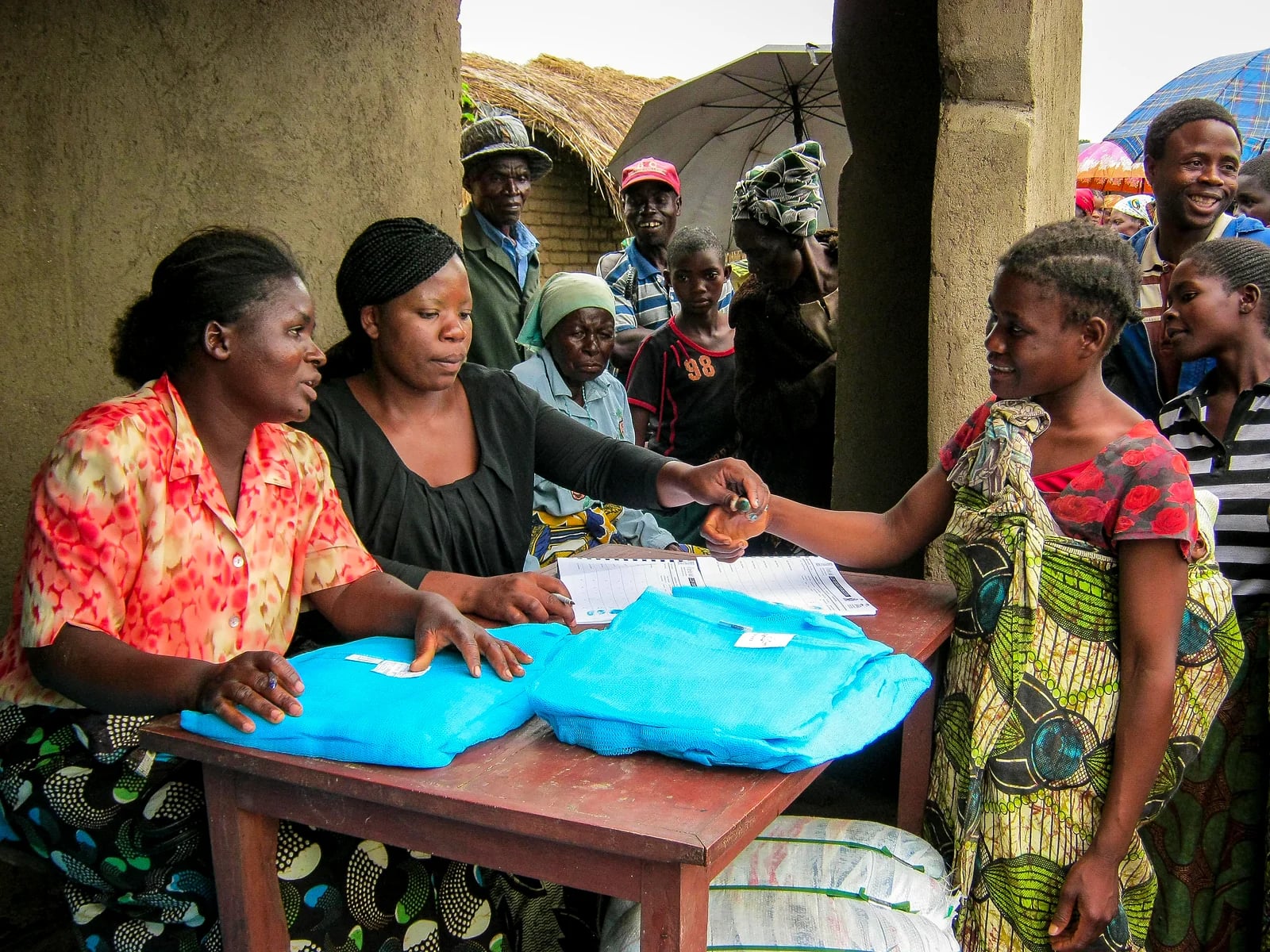 Photo: Against Malaria Foundation
Bed nets against malaria
Insecticide-treated nets protect families from malaria-carrying mosquitoes while they sleep, for around $4 to $6 a net.10 This grant pays for long-lasting nets in Côte d’Ivoire.
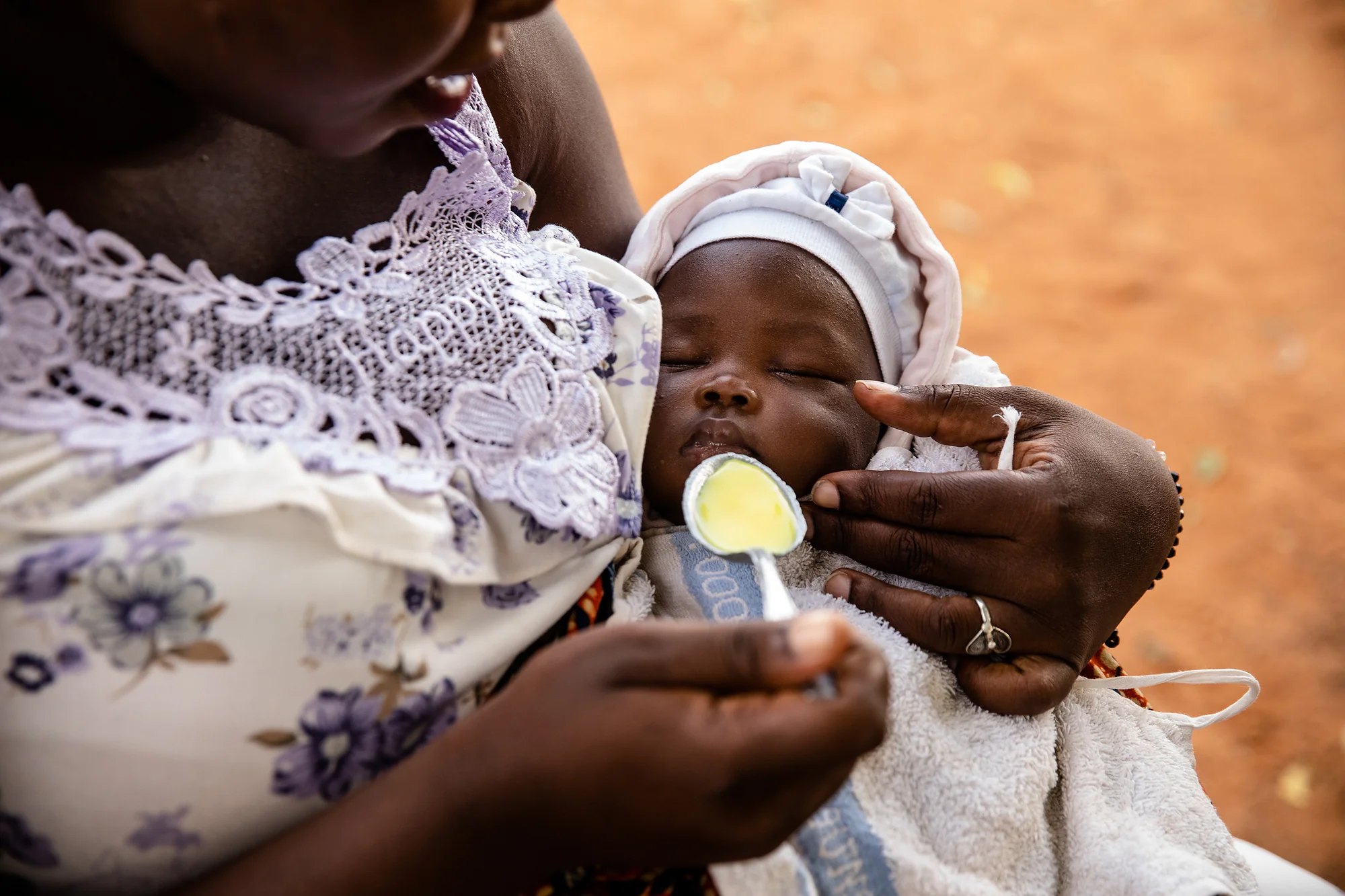 Photo: Malaria Consortium
Malaria medicine and vitamin A in one visit
In the rainy season, health workers go door to door giving young children medicine that prevents malaria, for about $7 per child per season.11 This grant also funds giving vitamin A during those same visits in Nigeria.
Your donation follows our latest research.
We pool donations to the fund and distribute them every quarter, based on our research into which grantmakers and evaluators can direct your donation to where it can do the most good.
- 1Any time
You donate
Give once or set up a recurring donation. We pool your donation with gifts from other donors.8
- 2Every quarter
We choose where to send it
Our research team decides which evaluator’s fund(s) should receive the pool.
Learn how we evaluate - 3End of the quarter
We send the pool
We send the pooled donations to the evaluator funds we’ve chosen, usually within a month of the quarter ending. Their researchers then decide which programmes to support.
- 4After each round
We report back
We publish when each round was sent and what the evaluator funded afterwards.
See each grant round
Why give to a fund rather than a single charity?
For most donors, we think a fund is the better option for multiple reasons:
Specialists do the research
The evaluators we work with specialise in identifying where additional donor dollars can have the most impact in a given area and they have the time to apply this expertise thoughtfully to every grant decision.
Grants you couldn’t make yourself
Even charities with highly cost-effective programmes may have some less impactful programmes. When giving as an individual donor you often have no say over which programmes your donation supports. Additionally, many of the best opportunities, like pilots and trials, don’t run a public fundraising appeal. Funds can better ensure your money goes only to the most promising projects.
Better incentives for charities
When donors follow evaluators, charities are rewarded for results rather than for marketing. Funds can also work with charities to improve their monitoring and help them become more effective over time.
Funding where the need is greatest
Grantmakers send money when a charity can use it most productively and respond quickly to changing conditions. That means more impact, and charities get funding when they need it most.
Who decides where the money goes
Giving What We Can research team
Our researchers assess charity evaluators and grantmakers to find out where donations are likely to have the most impact. Each quarter, they decide which of those evaluators should distribute the funds.
 Aidan WhitfieldSenior Research Manager
 Clare HarrisResearch Associate
 Hannah MoulangeResearch Specialist
GiveWell
GiveWell has researched global health charities since 2007. Our latest evaluation found it to be the best option we are aware of for granting this fund, so we currently grant to the All Grants Fund and GiveWell’s researchers choose the programmes. If our research finds other outstanding options, we’ll change the allocation without you needing to do anything. We’ll always update you when the fund allocation changes.
Every grant round so far
Since October 2024 the fund has sent $3.47 million to GiveWell’s All Grants Fund in eight rounds.12 Select a round to see when it was sent and what the evaluator funded afterwards.
US dollar equivalents use the exchange rate recorded when each round was set aside.
What GiveWell funded
This grant went to GiveWell’s All Grants Fund on 29 June 2026. These are grants GiveWell has made from that fund since.13
- Nutrition InternationalVitamin A plus ORS and zinc to treat diarrhoeaChad · Aug 2026Write-up in progress
- Raising the VillageTrial of an agriculture-based programme to lift families out of povertyUganda and DRC · Jul 2026Write-up in progress
- BluesquareGetting more children vaccinated in underserved communitiesKasai, DRC · Jul 2026Write-up in progress
Why we pool donations
Our funds collect donations into a shared pool over the course of each quarter and grant them out in regular rounds, rather than passing each donation on the day that you give. While this means we can’t tie single donations to specific grants, we think this lets the same money do more good.

Each step is published. We list all our rounds on this page; all of GiveWell’s grants can be seen here.
Fewer, larger transfers
In each round we send one transfer per recipient in each currency, instead of many small ones. We expect this to keep fees and admin lower for us and for the organisations we fund, allowing both to do more with the donations you give.
Give now, grant when the time is right
Pooled money doesn’t have to be disbursed the day you donate. If our research is still under way or if a grantmaker we recommend changes or closes, we can hold donations until we know where they will do the most good, so you can keep giving on your usual schedule.
Is this fund right for you?
It’s a good fit if you
- think you can have the most impact by helping people alive today
- prefer to give in a cause area with a strong track record for highly-evidenced approaches to impact
- want your giving guided by independent research
- want to set up one regular donation and not have to revisit it
You may prefer another option if you
- think you can do more good by helping animals or by the safeguarding humanity’s long-term future (see our other funds)
- think you can have more impact by giving directly to a specific fund we recommend (see our recommended charities)
- want to choose the exact charity your money goes to (see our supported programs)
- would rather your donation reaches a charity or program immediately
- would rather follow an evaluator our research team doesn’t currently recommend
Common questions
Can’t find your answer? Get in touch and someone from our team will reply.
Ordinary people can do
extraordinary good.
Notes and sources
Figures last checked 3 October 2026.
- 1
Child deaths. The UN’s child mortality group (UN IGME) estimates that 4.9 million children died before their fifth birthday in 2024, including 2.3 million newborns. Newborn deaths make up nearly half of all deaths of children under five; infectious diseases such as malaria, pneumonia and diarrhoea cause most of the rest.
Back to text - 2
Extreme poverty. In June 2025 the World Bank raised its international extreme poverty line from $2.15 to $3.00 a day (2021 prices). Its estimates under the new line range from 838 million people in 2022 to a projected 808 million in 2025, depending on the year and data release, so we say “more than 800 million”.
Sources: World Bank, “June 2025 global poverty update from the World Bank: 2021 PPPs and new country-data”; Our World in Data, “$3 a day: A new poverty line has shifted the World Bank’s data on extreme poverty”.
Back to text - 3
Depression. The World Health Organization estimates that around 332 million people worldwide have depression, about 5.7% of adults.
Source: World Health Organization, “Depressive disorder (depression)” fact sheet, 29 August 2025.
Back to text - 4
What highly impactful global health programs cost. GiveWell’s estimates for grants made in 2022–2024 suggest it costs about $2 to give a child vitamin A supplements for a year, about $7 to give a child preventive malaria medicine through one malaria season, around $6 to buy and deliver an insecticide-treated net, and $146 to have an infant vaccinated. Because not every child reached would otherwise have died, saving a life costs more: GiveWell’s models for its top charities have typically estimated $3,000 to $5,500 per life saved.
Sources: GiveWell, “Our top charities”; GiveWell, “How much does it cost to save a life?”; GiveWell, “Malaria Consortium: Be In A Net (February 2024)”, footnote 11.
Back to text - 5
Underfunded. For example, GiveWell reports hearing from malaria experts that there is a significant amount of unmet need for malaria funding.
Source: GiveWell, “Malaria Consortium: Be In A Net (February 2024)”, Risks and reservations.
Back to text - 6
How we choose evaluators. Our research team doesn’t rate individual charities. It evaluates the evaluators and grantmakers that do, to find out whose recommendations donors can rely on.
Source: Giving What We Can, “Why and how we evaluate the evaluators”.
Back to text - 7
How we link grants to our donations. Each of these grants was funded at least partly from GiveWell’s All Grants Fund in the months after one of our transfers. See “Why we pool donations” for why we don’t trace a single donation to a single grant.
Sources: Why we pool donations; GiveWell grants database.
Back to text - 8
Pooling. Your donation joins one pool with other donors’ gifts, which is why we don’t trace a single donation to a single grant.
Source: Why we pool donations.
Back to text - 9
Helen Keller Intl vitamin A grant. In December 2024 GiveWell recommended a $23.6 million grant to support government vitamin A campaigns in six countries and three Nigerian states. GiveWell’s best guess is that it is about 25 times as cost-effective as giving cash, and that it will avert around 7,600 child deaths. GiveWell is more uncertain about vitamin A’s effect on child deaths than about its other top programmes: it estimates a 3% to 11% lower risk of death, depending on location, compared with larger effects in the original trials. GiveWell’s grants database lists its All Grants Fund, its Top Charities Fund and Giving What We Can among the funders.
Source: GiveWell, “Helen Keller Intl: Vitamin A Supplementation (December 2024)”.
Back to text - 10
Against Malaria Foundation nets grant. GiveWell’s grants database lists a November 2025 grant to the Against Malaria Foundation for long-lasting insecticidal nets in Côte d’Ivoire, funded by GiveWell’s Top Charities Fund, its All Grants Fund and Giv Effektivt. GiveWell hasn’t yet published its write-up. GiveWell typically estimates a cost of around $4 to $6 per net across the campaigns it supports.
Sources: GiveWell grants database; GiveWell, “Malaria Consortium: Be In A Net (February 2024)”, footnote 11.
Back to text - 11
Malaria Consortium vitamin A and malaria medicine grant. GiveWell’s grants database lists a March 2026 All Grants Fund grant to Malaria Consortium for co-delivering vitamin A supplementation and seasonal malaria chemoprevention in Nigeria. GiveWell hasn’t yet published its write-up. GiveWell estimates it costs about $7 to give a child preventive malaria medicine through one malaria season.
Sources: GiveWell grants database; GiveWell, “How much does it cost to save a life?”.
Back to text - 12
Total granted. The total is the sum of the eight rounds sent to GiveWell’s All Grants Fund between 1 October 2024 and 29 June 2026, shown in full below. Pound and euro amounts are converted to US dollars at the exchange rate recorded in our grants database when each round was set aside (for example, £1 = $1.32 for the round set aside on 31 March 2026). Earlier donations, processed through Effective Ventures before Giving What We Can became independent, are not included.
Source: Giving What We Can grant records.
Back to text - 13
Which grants we show for each round. We list the grants GiveWell’s database shows as funded from its All Grants Fund between the date our round arrived and the date of our next transfer. GiveWell pools our money with other donors’ and may hold some for later grants, so these are the grants made from the pool our round joined, not grants paid only with our money. We don’t show grant amounts, because each grant was also funded by other donors.
Sources: Why we pool donations; GiveWell grants database.
Back to text